Morris Museum Helps New Jersey Artists Find 'Common Ground'




If you want an activity that combines art and the great outdoors, the 2026 Arts Annual, “Common Ground: New Jersey Artists Think Monumental,” might be what you’re looking for. This year’s exhibition - installed on the 8-acre grounds of the Morris Museum - is the first in the Arts Annual’s forty-two-year history to present works specifically made to be displayed outdoors. The exhibition, a partnership between the New Jersey State Council for the Arts and the Morris Museum, is on view through August 23, 2026.
In total, 91 artists who live or work in New Jersey submitted 530 pieces, from which nine works were selected. When I spoke to Museum Associate Curator Bryant Small, who curated “Common Ground,” I told him how amazed I was by the large number of submissions. “I think the huge response speaks to the amount of art-making in New Jersey,” he said. “I believe we’re only going to see that grow.” While New York City is undeniably an art hub, New Jersey has advantages that make it a favorable and more affordable environment for artists as well. “New Jersey is right across the water,” said Small. “Artists can get more bang for their buck.”
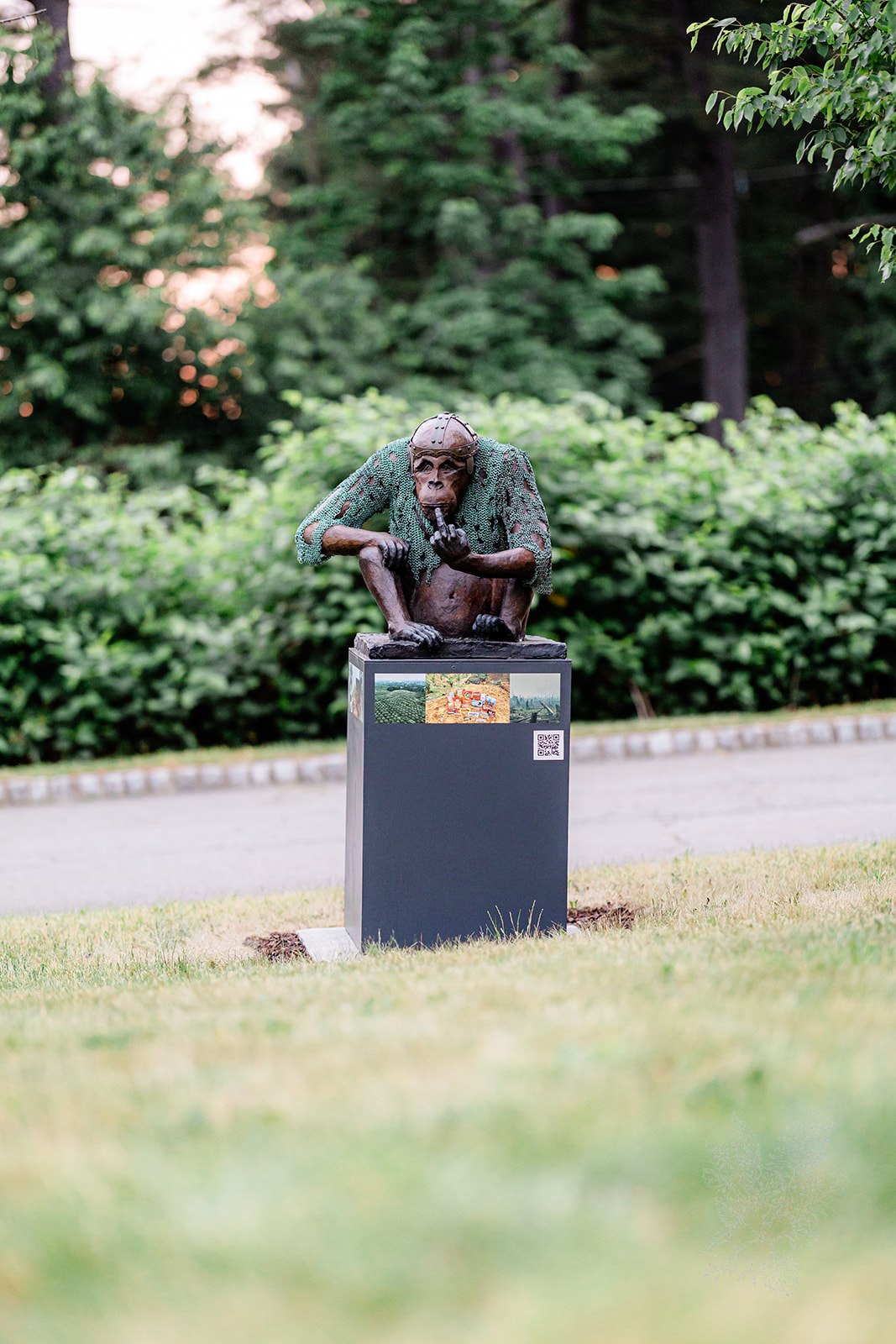
Guest juror Johanna Hutchinson, Executive Director of the International Sculpture Center and publisher of Sculpture Magazine, chose the pieces for the exhibition. In her digital catalogue essay, she said, “What united the works is a shared willingness to think expansively about what art can do when it leaves the walls of a gallery and enters the shared spaces where people move, gather, and encounter the unexpected,” she said. “These works do not simply occupy space; they activate it.”
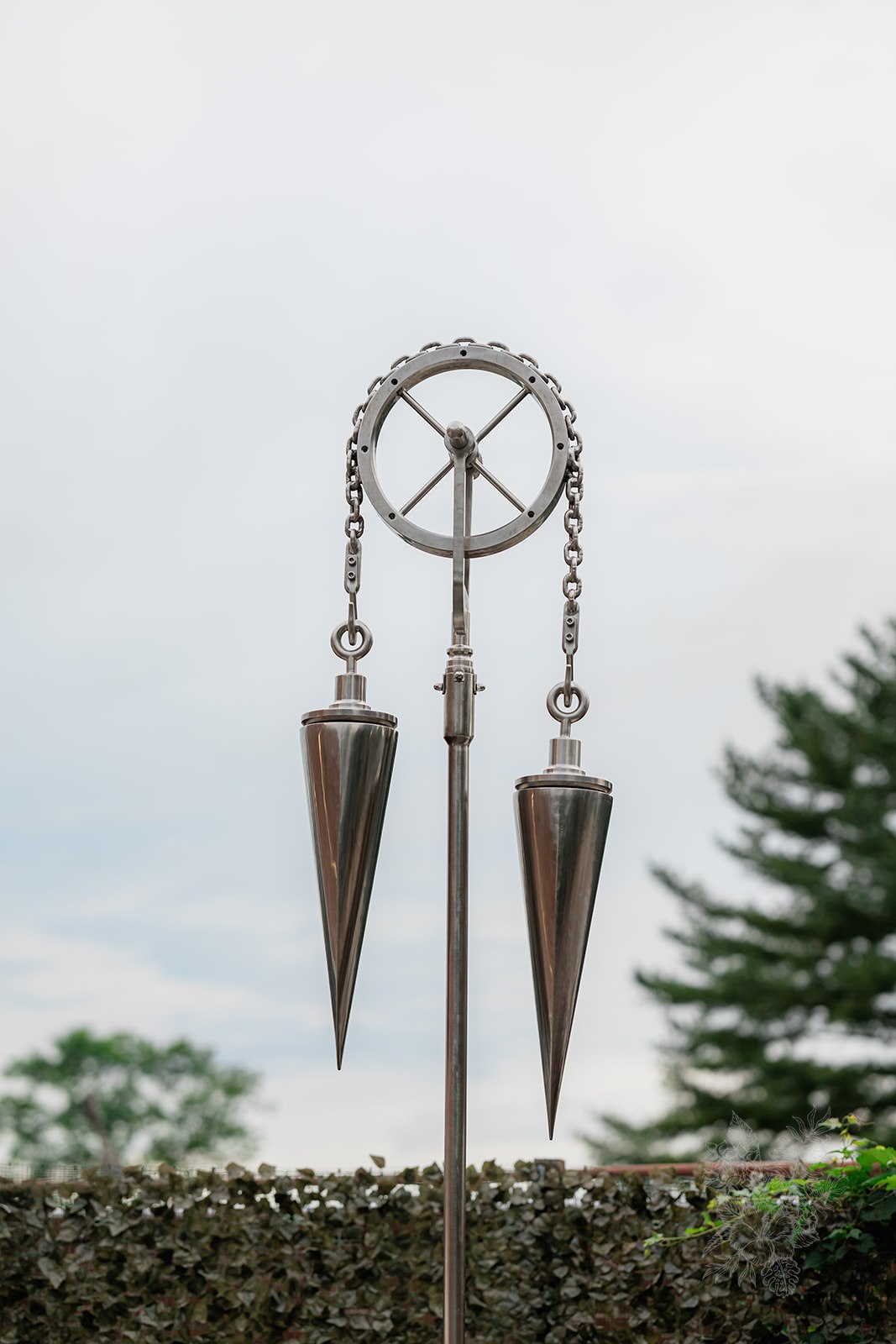
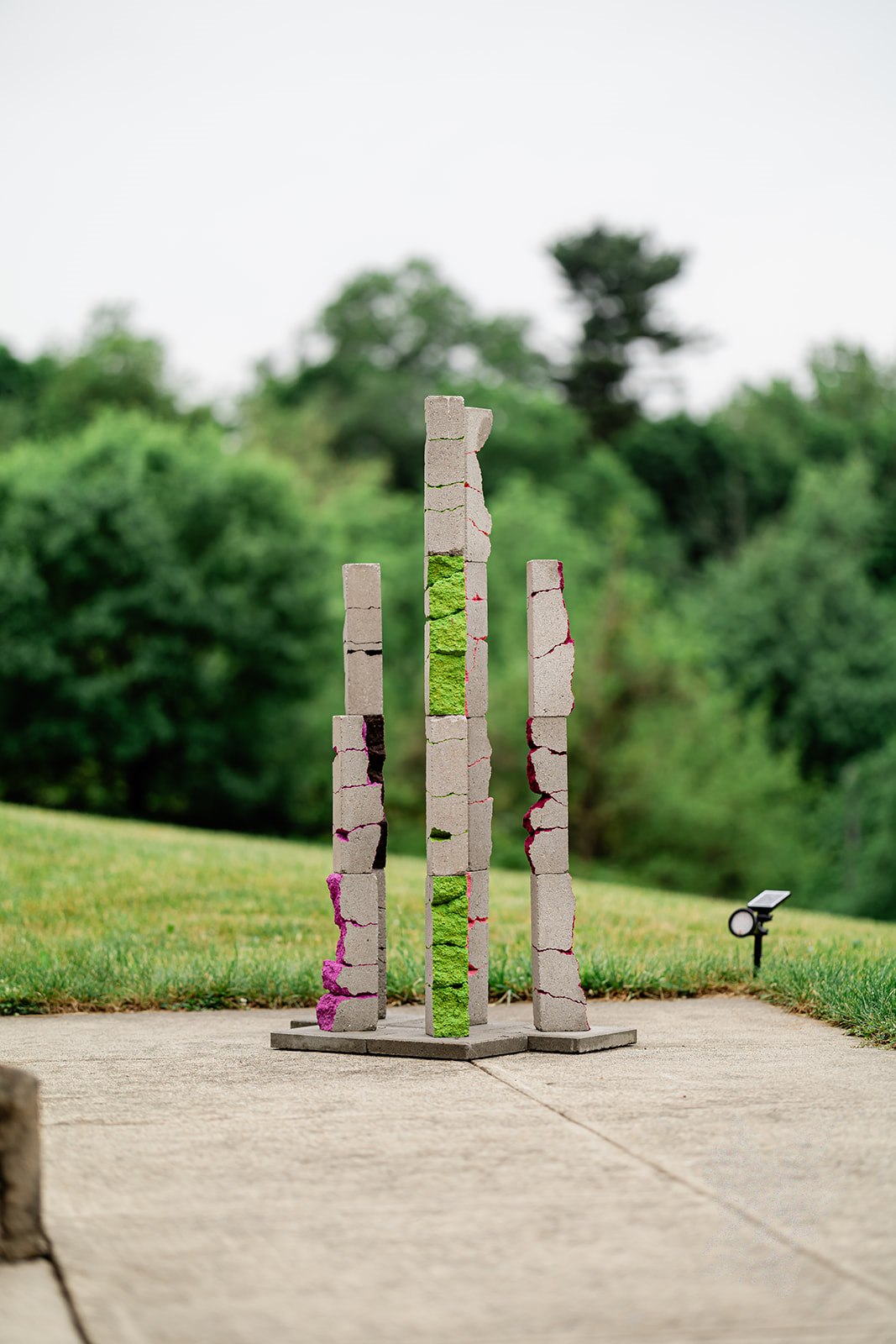
“I think 'Common Ground' is a way to present different kinds of experiences,” Small said. Without typical gallery space limitations, the sky is literally the limit. This broad way of thinking about art is the heart of the exhibition. And the works utilize a variety of materials, including steel, bronze, concrete, neon, and fiber. “We have a little bit of everything,” Small said.
Small and I both agree that museums can feel intimidating. “People are often uncomfortable about going into a museum,” Small said. “They think it is a place for art with a capital A, but that is a non-issue with this exhibition,
“At the Morris Museum, we want to make sure that the art is always approachable, and that there are materials and information readily available to support what the visitor is seeing,” Small said. “Anyone at any age can engage with art and be able to enjoy and understand it without it being too heavy,” he said. “And they may walk away with something new.”
In today’s climate, with people often firmly planted on one side or the other when it comes to subject matter, I wondered if the curator encounters resistance to ideas or themes that may be provocative.
“I think people are sensitive to what is happening,” he said. “Culturally, you’re always trying to be timely. While we don’t want to be tone-deaf, we also don’t shy away from things that we need to touch on,” he said. “Mainly, we want to stay focused on the mission of creating great experiences.” The exhibition certainly achieves that goal, not only for visitors, but for the artists as well.
To get an artist’s point of view, I asked a few questions,
Why did you decide to submit your work? Several of the artists cited the chance to show work that would not fit inside a museum. One said, “…it was an opportunity to show something that would generally exceed size limitations”; another said, “Size matters in the emotional impact the original concepts in art can arouse;” another artist said,“…the exhibition’s focus on outdoor sculpture, public space, and the relationship between art and landscape felt very close to the core of my practice,” and another artist replied, “Few opportunities focus just on exhibiting sculpture, let alone ‘monumental’ sculpture.”
I asked about the significance of participating in the exhibition, and got these answers: “In addition to showcasing my own work, I am happy to discover a community of artists who make monumental sculpture that impacts the environment in which it is displayed.”
Another artist said, “My work deals with the environment, participating in this exhibition is a chance for me to open a dialogue with viewer on these complex issues in New Jersey.”
And finally, I asked, “In what ways does your piece interact with the other works?”
“The exhibition includes an impressive group of artists who are exploring different themes. My work is one voice in that thought-provoking chorus.”
“The flow from piece to piece helps build the story and gives the work a sense of connection,” and “Unique interacts with unique.”


