The Director Behind Gershwins' Porgy and Bess Revival at the Ritz





Porgy and Bess holds a unique place in American cultural history as a groundbreaking fusion of opera, jazz, blues, and spirituals that sought to portray African American life in the early 20th-century South. Created by George Gershwin with contributions from DuBose Heyward and Ira Gershwin, the work challenged conventional boundaries of “high” and “popular” art while introducing incredibly enduring songs like “Summertime” and “I Got Plenty of Nothin” into the American songbook.
Porgy and Bess clearly echoes elements of classical European opera while reshaping them into a distinctly American form and sound. Structurally, it resembles works like Carmen in its focus on a marginalized community, vivid local color, and a tragic central relationship marked by passion and violence.
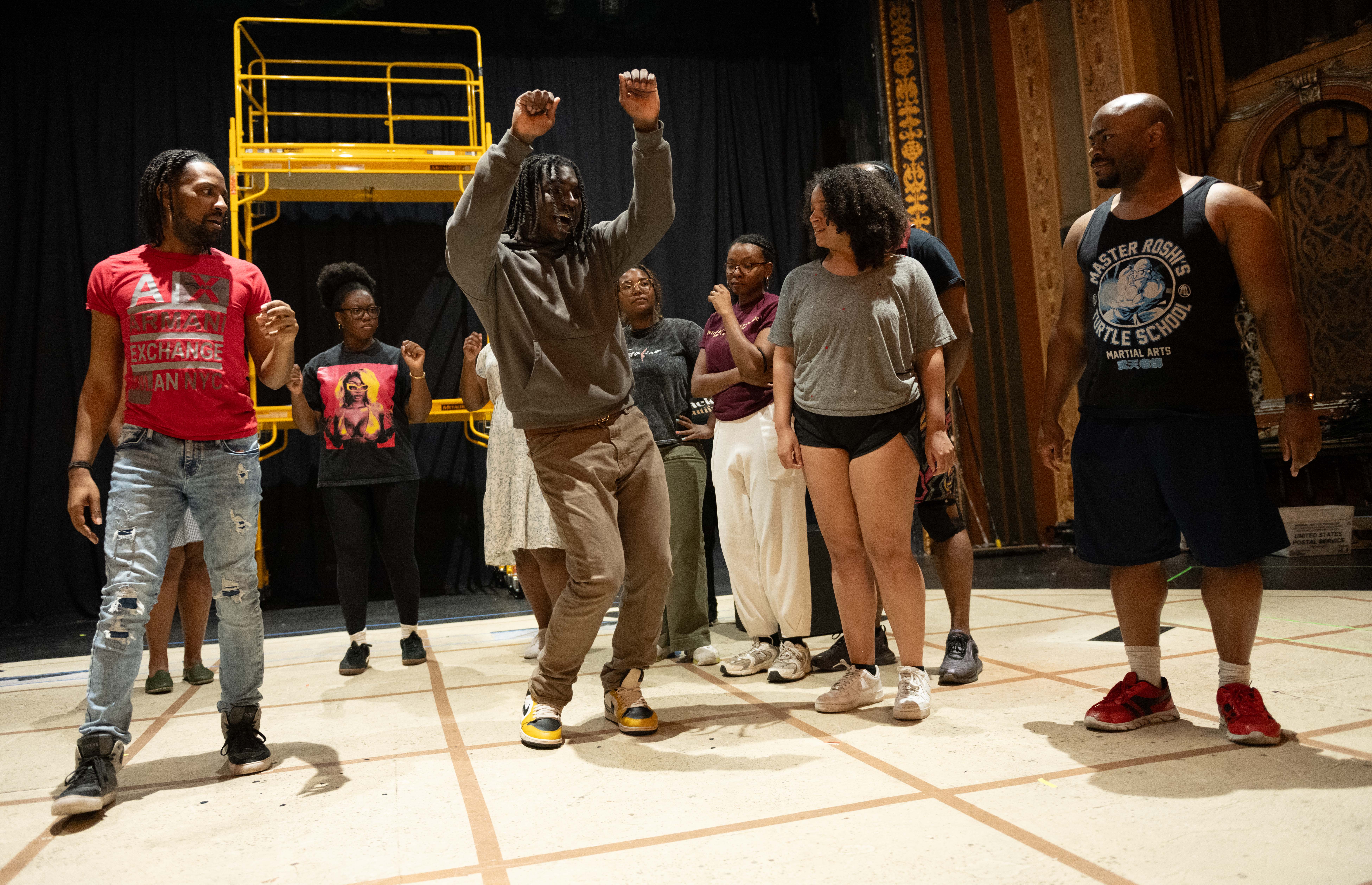
In 1935, Gershwin’s insistence on an all-Black cast was unprecedented for its time, and it provided important opportunities for Black performers on major stages. As a result, Porgy and Bess remains culturally significant not only for its musical innovation but also for its complex role in conversations about race, identity, and artistic expression in the United States.
I spoke to Director Darryl Thompson, Jr. about his production at The Ritz Theater.
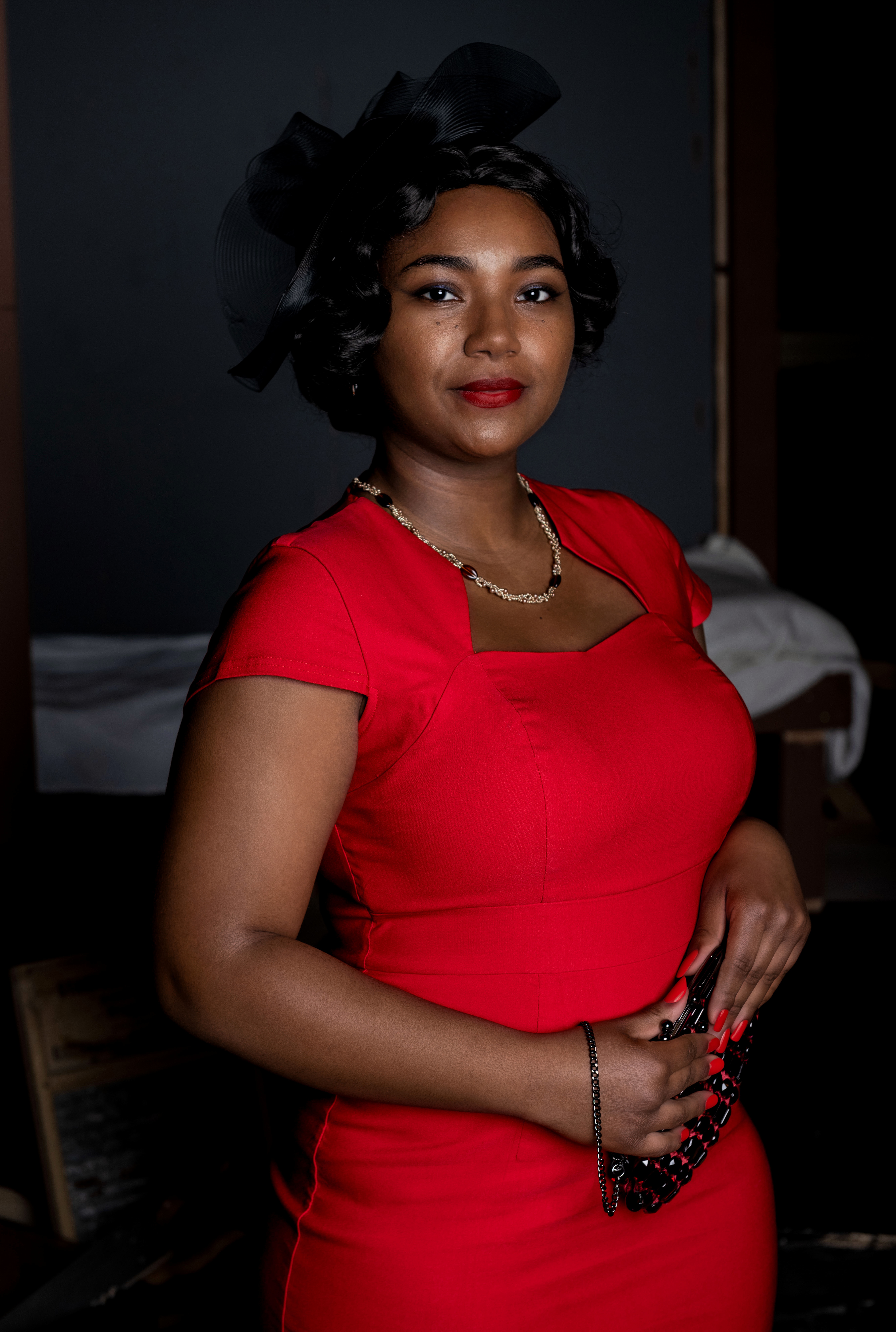
Darryl, this show has taken on so many forms since 1935! From the Highest Opera to a popular musical, everything in between. Where does it fall for you?
“This show lives in different portions of our pop culture. It's historic too, because I don't think anyone's written another American folk opera in that way. It has that same type of like long-standing attraction across all races and groups of people in our country.
“It is written in a way that looks at us and portrays us in in a way that our lives were in that time frame. It's a great piece of art. And as most great pieces of art do, they just hold up over time. It doesn't feel dated when you watch it. It's just like, oh, we're traveling back in time to feel what the lives of these people were, what the music was at the time, and it's still just as lively.
“Both Mr. Heyward and Mr. Gershwin spent time with the Gullah Geechee people. It's not like they just wrote a story based on some anecdotes. They took the time to understand the music, the culture, the significance of it, the spiritual nature of the Gullah Geechee people and the black folks in South Carolina at the time, and they wrote sympathetically about their love of religion and how it guided their lives. He wrote about the reality of their poverty.
“DeBose Heyward himself, did not grow up as a man of means, his parents struggled and worked hard, he worked alongside black laborers and all those of things. But being in the culture and in spending time with the Gullah Geechee people and folklore, he created a story to talk about the things that were happening with black folks, in the middle passage between Jim Crow, in this little area of the world where it's all about religion and community and family.
“Yes, there are certain aspects of culture that, maybe other cultures may not be able to relate to, but we all understand what family means to us. We all understand what culture means to us. We also understand the ugly parts of those types of things, but also redemption, too. And being virtuous and all those other things that go along with it.
“And I think that's the reason why this story, specifically about Porgy and Bess, is able to resonate with everybody because these themes are not foreign.”
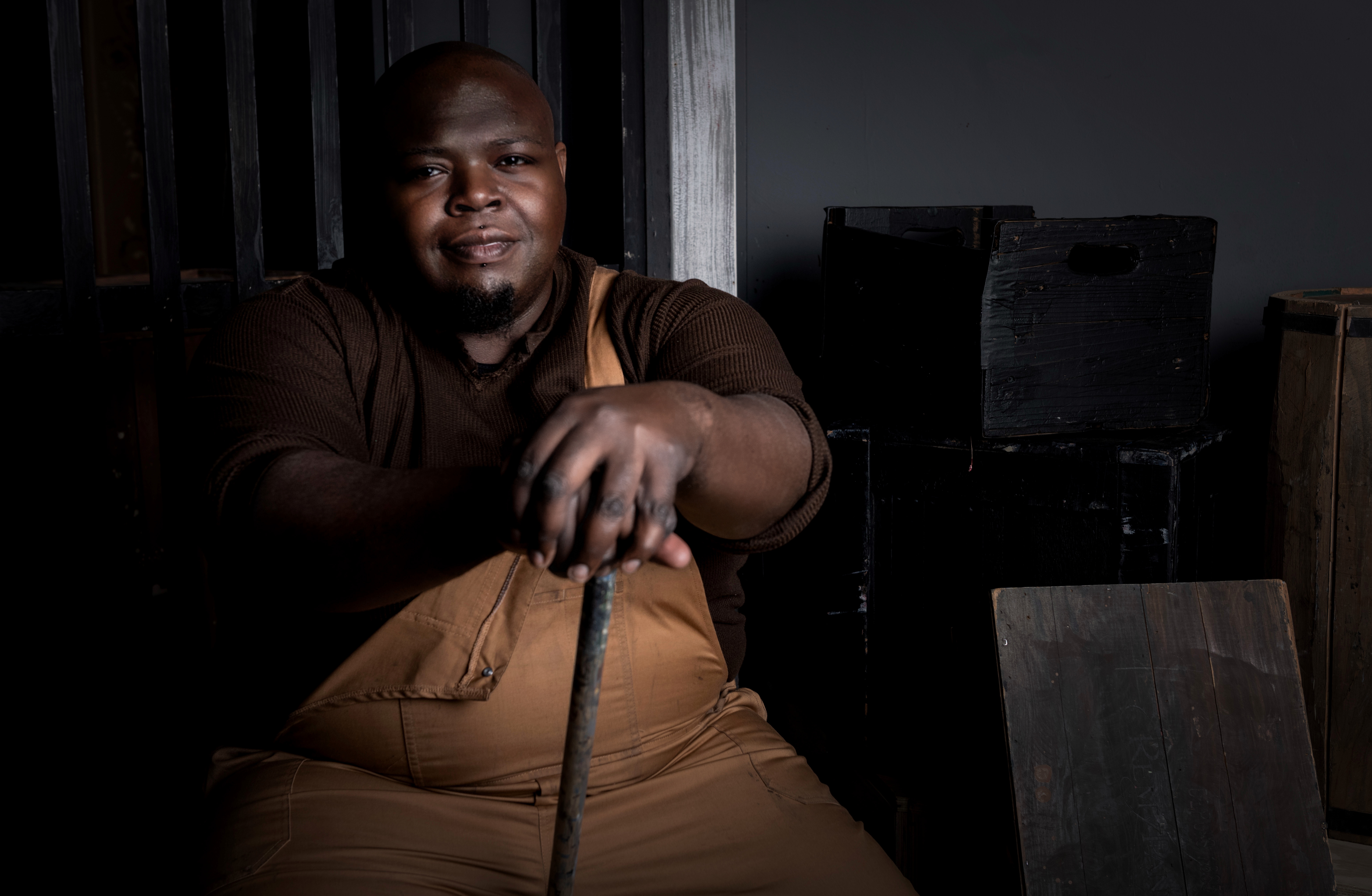
What gets you excited to go to rehearsals?
“What are we going to discover today when we come into the rehearsal space? You know, what magic are we going to make today? When I do any type of play or anything, I always love getting into text. So, when we get into the rehearsal space, you know, what informs what, it goes to the things I get excited about. When I go into the rehearsal the cast comes to deliver, they deliver every time we go.
“And I will tell you, my cast always knows when ‘it’ happens because I giggle like a kid. If I hear good music, it makes me giggle. If something's great, I see great acting, or they just get that light in their eyes, it just makes me the happiest and I giggle. Then sometimes they're out there singing, and it just brings me to tears.
“You know, I really want to thank the Ritz Theater Company, Bruce, and Matt. I have appreciated their consistency in living up to their mission statement. Of them being an inclusive and diverse theater and creating for opportunities for people of color. Not just black folks, but all folks to be able to engage and live these wonderful experiences of theater. And I really mean it; they've been so supportive.”
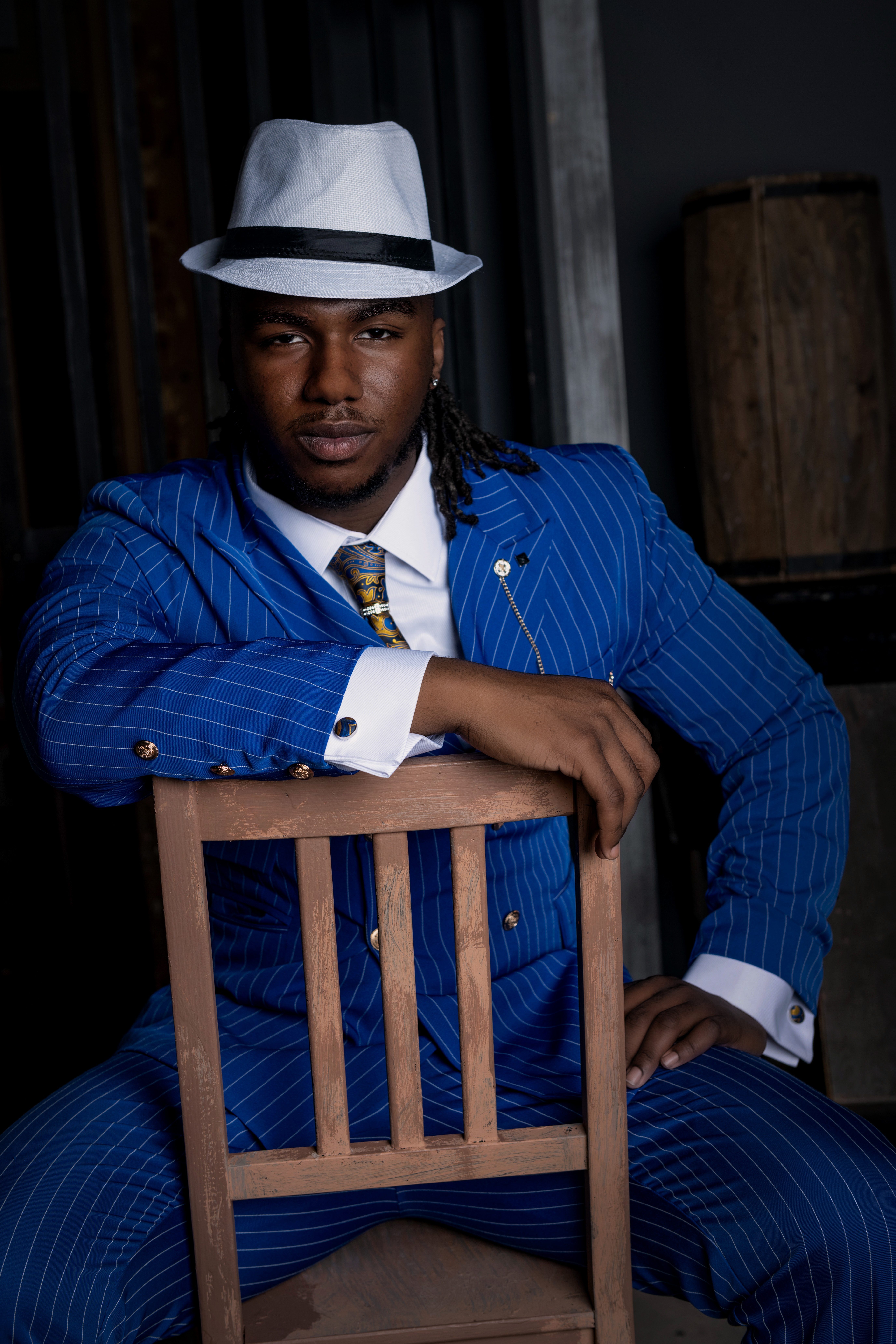 Any more thoughts?
“I mean, I acted in my 1st show was when I was 12. I think I directed my 1st show when I was like 21 or 22. I can count on 4 fingers, the number of shows I've done that are just, you know, related to folks of color. It's great that I've been able to have the experience to be able to work with so many people that I have over the years. But it's always a special thing for me to be able to tell stories that mean something to me, the people I grew up with, that my grandparents grew up with. I just talked to my grandfather earlier and I told him that I had bought him and my grandmother their tickets, so they could come see the show. And he was on the phone singing to me, ‘Oh, I got plenty of Nothing… It’s so incredible that I got a chance, not only to be a part of it, but to, you know, to be at the helm of it. He said, ‘I would have rather seen you as Porgy,’ but I'm like, hey, I get that.”


